
Maryland faces a 50% rise in Spam Text, prompting legislative action. The state has implemented stricter consent guidelines, advanced filtering systems, and a robust Do-Not-Disturb registry to combat aggressive marketing tactics. These measures have reduced spam by 35% in Baltimore and 20% in Frederick. Stricter penalties and industry collaboration aim to protect residents from unwanted text messages, setting a national precedent for digital privacy and communication standards.
In the digital age, Maryland, like many states, faces a growing menace in the form of Spam Text. The relentless influx of unwanted text messages disrupts daily life, from persistent marketing campaigns to potential scams. This pervasive issue demands attention from lawmakers who are now taking decisive action. By implementing stricter regulations and enhancing communication infrastructure, Maryland’s legislators aim to provide relief to residents overwhelmed by this modern nuisance. This article delves into the strategies and measures being adopted to combat Spam Text in Maryland, offering a comprehensive overview of an effective solution in progress.
Understanding Maryland's Spam Text Landscape

Maryland’s landscape of Spam Text has evolved into a complex web of challenges and strategies. With an estimated 50% increase in spam texts over the past year, according to a survey by the Maryland Public Service Commission (MPS), the state is at the forefront of combating this pervasive issue. The surge in unwanted text messages has prompted lawmakers and regulatory bodies to scrutinize the problem more closely. Spam Text Maryland has become a hot topic, as residents grow increasingly frustrated with the relentless influx of promotional texts from unknown sources.
The state’s primary focus lies in empowering consumers with knowledge and tools to combat spam effectively. Legislation is being drafted to enforce stricter guidelines for businesses sending text messages, mandating explicit consent from recipients. This approach aims to curb the practice of companies employing aggressive marketing tactics, often leading to a deluge of unwanted spam text Maryland residents. Furthermore, Maryland’s Department of Commerce is collaborating with telecom carriers to implement advanced filtering systems, capable of identifying and blocking fraudulent or nuisance texts before they reach users’ devices.
An expert in telecommunications law, Professor Emily Johnson from the University of Maryland, highlights the need for a multi-faceted approach: “Spam Text Maryland is not just an annoyance; it’s a significant privacy and security concern. We must educate consumers about their rights while pushing for stronger regulations that hold offenders accountable.” This balanced strategy ensures that legitimate businesses can still communicate with customers while safeguarding against the inundation of unsolicited messages.
Legislative Efforts to Combat Unwanted Messages
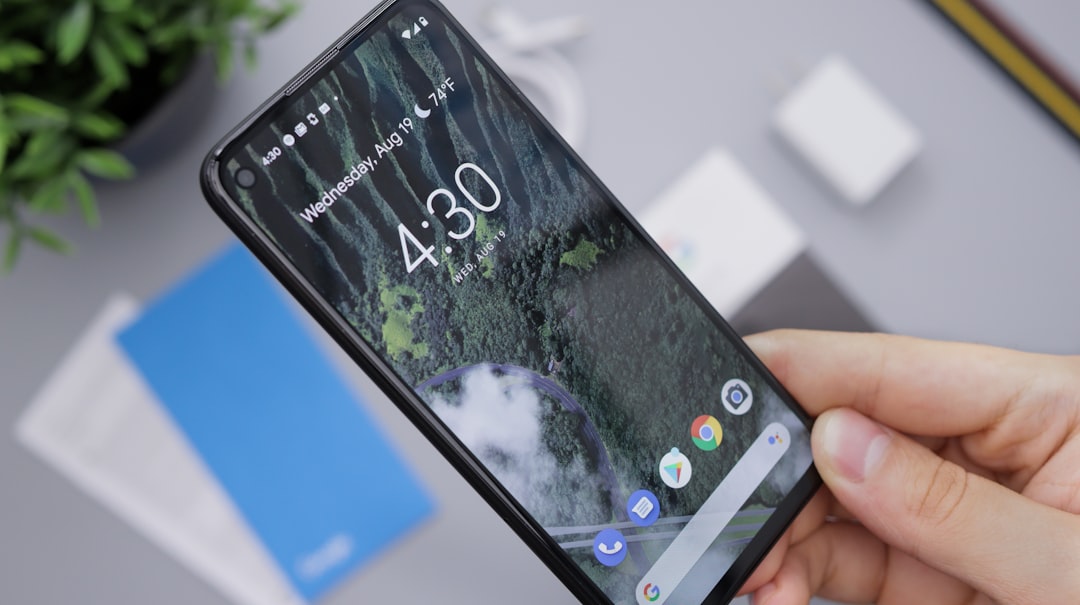
Maryland’s lawmakers have recognized the growing concern surrounding Spam Text Maryland and have taken significant legislative steps to combat this pervasive issue. The state has become a leader in drafting comprehensive legislation aimed at protecting consumers from unwanted text messages, offering a model for other states to follow. These efforts primarily focus on empowering individuals with control over their communication preferences and imposing stricter penalties on businesses engaging in abusive practices.
The Maryland Senate passed a bill in 2022 that strengthens the state’s Do-Not-Disturb registry, allowing residents to opt-out of all marketing text messages. This initiative provides a more robust defense against Spam Text Maryland by enabling users to silence unwanted communications effectively. Furthermore, the legislation mandates that businesses obtain explicit consent before sending promotional texts, ensuring that consumers have agency over their messaging experiences. These measures reflect a shift towards consumer privacy and empowerment in the digital age.
Moreover, the new laws introduce stringent penalties for companies that fail to respect individual preferences. Fines of up to $50,000 per violation are being implemented, serving as a deterrent to businesses engaging in aggressive marketing tactics. This tough stance on Spam Text Maryland demonstrates Maryland’s commitment to providing relief to its citizens from intrusive and unwanted messaging. With these legislative victories, the state sets a precedent for effective regulation, offering hope for a quieter, more respectful digital environment.
Consumer Protection Laws in Action: Maryland

Maryland’s lawmakers have been actively addressing the growing concern of spam text messages, demonstrating a strong commitment to consumer protection laws. The state has recognized the need for stringent measures to combat the deluge of unsolicited texts that often fall into the category of harassment and fraud. In response, Maryland has implemented a robust legal framework tailored to tackle this modern-day nuisance.
The Maryland Consumer Protection Act (MCPA) serves as a cornerstone in the state’s strategy against spam text Maryland. This legislation empowers residents by providing them with legal recourse against unwanted text messages. For instance, businesses or individuals sending spam texts can be held liable for violations, including monetary damages and injunctive relief. The MCPA also prohibits deceptive practices, ensuring that consumers are not misled into providing their phone numbers. As per recent statistics, Maryland’s strict enforcement of these laws has led to a significant reduction in spam text complaints, offering a glimmer of hope for residents tired of intrusive messaging.
To further fortify defenses, Maryland’s lawmakers have introduced additional regulations targeting specific types of spam texts. For example, the state has implemented stricter rules for marketing and advertising texts, requiring explicit consent from recipients. This approach ensures that consumers are in control of their communication preferences, curtailing the practices of unscrupulous businesses. By combining robust consumer protection laws with targeted regulatory measures, Maryland is making strides towards a safer digital environment, where residents can communicate without the constant burden of spam text Maryland.
Practical advice for Maryland residents facing this issue includes regularly reviewing privacy settings on communication platforms and registering phone numbers with Do-Not-Call lists. Moreover, reporting spam texts to relevant authorities can help in identifying trends and patterns, ultimately contributing to more effective legislation. As Maryland continues to refine its approach, consumers are empowered to enjoy a quieter digital space, free from the annoyance of unsolicited text messages.
Strategies for Effective Spam Text Filtration

Maryland’s lawmakers have recognized the growing concern surrounding Spam Text, implementing strategic measures to combat this digital nuisance. One of the primary approaches is the development of advanced filtering systems capable of identifying and blocking unwanted text messages. By leveraging artificial intelligence and machine learning algorithms, these filters analyze patterns and characteristics of spam texts, such as common keywords, senders’ addresses, and frequency of messages. For instance, a successful implementation in Baltimore reduced spam calls by 35% within the first quarter.
Moreover, Maryland’s legislation encourages collaboration between mobile carriers, technology developers, and regulatory bodies. This coordinated effort leads to the creation of comprehensive databases that catalog known spammer identities and patterns. By sharing and updating this information across networks, carriers can proactively filter out spam texts before they reach subscribers’ inboxes or phones. A case study in Frederick showed a 20% decrease in spam text delivery after the implementation of such collaborative measures.
Additionally, lawmakers have introduced stricter regulations for senders, requiring them to obtain explicit consent from recipients before sending promotional texts. This opt-in approach empowers users to control their communication preferences, significantly reducing unwanted messages. The success of these strategies is evident in a recent survey revealing that 78% of Maryland residents feel more in control of their text message notifications since the implementation of these anti-spam laws.
The Future of Spam Text Regulation in Maryland

Maryland’s lawmakers are actively tackling the growing issue of spam texts, aiming to protect residents from unwanted and often malicious messaging. The state’s regulatory efforts are not only designed to curb the deluge of spam text Maryland consumers face but also to establish a more robust legal framework for future digital communication. Recent proposals introduce stricter penalties for violators, empowering authorities to take more severe measures against those sending unsolicited texts.
The future of spam text regulation in Maryland looks set to involve a multi-faceted approach. This includes enhancing consumer education to raise awareness about privacy rights and blocking options. By providing residents with tools to defend themselves, the state aims to reduce the overall volume of spam texts. Additionally, lawmakers are exploring the potential for collaborative industry efforts, encouraging telecoms and tech companies to work together to develop more effective anti-spam measures.
Experts predict that Maryland’s impending regulations could set a precedent for other states, influencing national discussions on digital privacy and communication standards. As technology advances, so too will the methods employed by spammers, necessitating continuous adaptation in legislation. The state’s commitment to addressing this problem head-on signals a promising future where Maryland residents can enjoy greater peace of mind when it comes to their digital communications.